

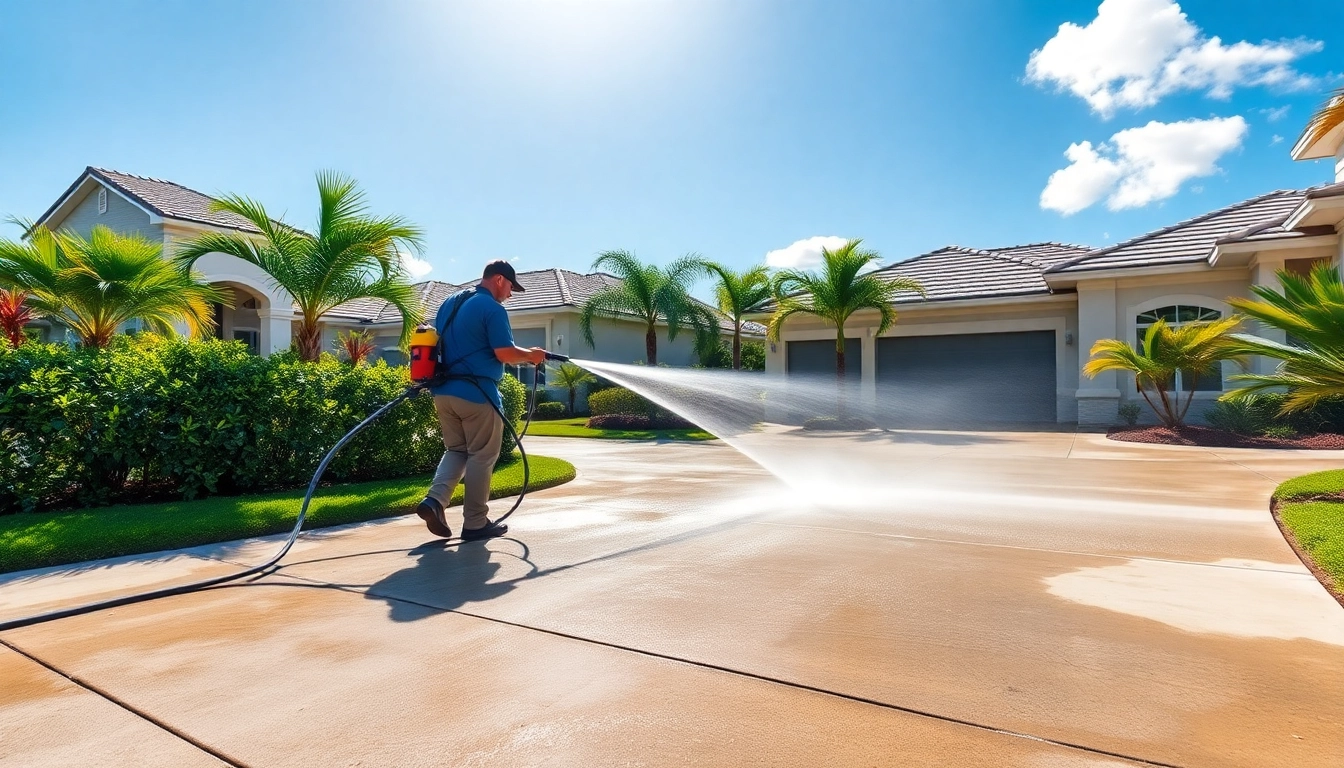
Understanding Driveway Pressure Wash Basics
Driveway pressure washing is a crucial aspect of maintaining the aesthetics and longevity of your home’s exterior. As a homeowner, you might wonder what exactly driveway pressure washing entails and how it benefits your property. This process involves using high-pressure water spray to remove dirt, grime, oil stains, and other debris from concrete surfaces. It’s an effective way to enhance curb appeal, prolong the life of your driveway, and create a welcoming environment.
When exploring options, driveway pressure wash services can provide comprehensive insights into how to tackle these tasks professionally. From residential to commercial driveways, the benefits of professional cleaning extend well beyond mere aesthetics.
What is Driveway Pressure Washing?
Driveway pressure washing utilizes specialized equipment designed to emit water at high pressures, effectively dislodging and removing stubborn dirt and stains. This process can significantly enhance the appearance of a driveway, making it look new and well-maintained.
Traditionally, driveways accumulate various contaminants—oil spills, mold, mildew, and algae—over time. A thorough pressure wash address these issues thoroughly. The high-pressure water blast penetrates deep into the porous surface of concrete, lifting dirt and stains that conventional cleaning methods fail to remove.
Benefits of Professional Driveway Cleaning
- Enhanced Curb Appeal: A clean driveway instantly boosts the visual appeal of your home, impressing guests and potential buyers.
- Increased Longevity: Regular cleaning helps prevent the buildup of damaging substances like mildew and algae, extending the life of your driveway.
- Safety: Removing slippery substances can significantly reduce the risk of accidents on your property.
- Cost-Effective: Investing in a professional pressure washing service can save you money over time by reducing the need for costly repairs.
How Pressure Washing Works: Techniques and Equipment
The process of pressure washing involves more than just spraying water. Using the right techniques and equipment is vital for achieving optimal results. Pressure washers come in various models, including electric and gas-powered options, each suited for different cleaning tasks.
Most professional services use specialized nozzles that adjust the spray pattern to cater to the surface material. A wide-angle spray is generally used for larger areas, while a narrow spray is ideal for targeting specific stains. Additionally, eco-friendly cleaning agents may be applied to enhance the effectiveness of the cleaning process without harming the environment.
Choosing the Right Pressure Washing Service
When selecting a driveway pressure washing service, several factors should be considered. Quality workmanship and customer satisfaction are paramount, but how do you identify the best provider in your area?
What to Look for in a Driveway Pressure Washing Company
Start by researching local companies with a strong reputation for quality service. Look for signs such as:
- Positive customer reviews and testimonials.
- Licenses and insurance to protect yourself and your property.
- A portfolio showcasing before-and-after results of previous work.
- Transparent pricing with no hidden fees.
Evaluating Cost and Value of Services Offered
Understanding the cost of driveway pressure washing is essential, as prices can vary significantly based on the size of the driveway and specific cleaning requirements. Typically, the cost ranges from $130 to $220 for standard residential driveways, but factors like the presence of heavy stains can increase this estimate.
While cost is an important factor, it’s equally crucial to consider the value provided by the service. Cheaper options may save money upfront but could compromise quality and effectiveness. Investing in a reputable service ensures that the job is done right the first time.
Customer Reviews and Testimonials: Why They Matter
Customer feedback can provide valuable insights into a company’s reliability and service quality. Pay attention to patterns in reviews—frequent mentions of professionalism, thoroughness, and customer satisfaction are good indicators of a trustworthy service.
Additionally, platforms like Google Reviews and Yelp can offer an unbiased look at consumer experiences, giving you confidence in your selection process.
DIY Driveway Pressure Washing: Best Practices
While hiring a professional can yield exceptional results, some homeowners may wish to tackle driveway cleaning themselves. Here’s how to approach DIY driveway pressure washing effectively.
Essential Tools and Equipment for DIYers
To begin the DIY process, you will need:
- A reliable pressure washer with at least 2,500 PSI for effective cleaning.
- A surface cleaner attachment for uniform cleaning.
- Protective gear, including safety glasses and gloves.
- Eco-friendly detergents designed for concrete.
Safety Precautions to Take When Pressure Washing
Safety should always be a priority when working with high-pressure equipment. Consider these precautions:
- Never point the nozzle at people or pets.
- Wear protective gear to guard against flying debris.
- Be cautious of slippery surfaces, especially after rinsing.
Step-by-Step Guide to Washing Your Driveway
Follow these steps for an effective DIY driveway wash:
- Clear the driveway of any furniture, leaves, or debris.
- Apply a suitable detergent to the surface, allowing it to sit for 10-15 minutes.
- Using the pressure washer, begin at one end and move systematically across the driveway, keeping the nozzle at a consistent distance.
- Rinse thoroughly, ensuring all detergent is removed to avoid residue.
- Allow the driveway to dry completely before replacing any furniture or vehicles.
Common Issues and Solutions in Driveway Cleaning
Driveway cleaning can present specific challenges, particularly concerning stains and the preparation process. Understanding these issues can help ensure a successful cleaning experience.
Dealing with Stains: Oil, Algae, and More
Many driveways suffer from various types of stains, including:
- Oil Stains: Use absorbent materials or specialized oil stain removers to lift the stain before pressure washing.
- Mold and Algae: Apply a diluted bleach solution to these areas and let it sit before washing.
- Rust: Certain products can specifically target rust stains effectively.
How to Prepare Your Driveway for Pressure Washing
Preparation is key to a successful pressure wash. This involves:
- Removing any loose debris or vegetation.
- Identifying and treating any stains beforehand.
- Ensuring proper drainage to prevent standing water.
Post-Cleaning Care for Lasting Results
After pressure washing, taking steps to protect your driveway is important. Consider sealing the surface to prevent future stains and prolong the effects of your cleaning.
Regular maintenance, including occasional cleaning and timely stain removal, can keep your driveway looking its best.
Future Trends in Driveway Pressure Washing
As technology continues to evolve, so do the methods used in driveway pressure washing. Staying informed about these trends can help homeowners make the best choices for their property.
Emerging Technologies and Techniques for 2025
Future advancements may include state-of-the-art pressure washing machinery that minimizes water usage while maximizing cleaning efficiency. Innovations like robotic pressure washers may also emerge, providing even more convenience for homeowners.
Environmental Considerations: Eco-Friendly Products
With a growing emphasis on sustainability, many pressure washing companies are now adopting eco-friendly practices. Services using biodegradable cleaning agents and techniques that conserve water can minimize environmental impact.
The Importance of Routine Maintenance for Your Driveway
Regular maintenance through professional or DIY pressure washing can significantly extend the life of your driveway. Establishing a cleaning schedule based on seasonal changes or outdoor activities can help maintain its appearance and structural integrity. Aim for a thorough wash at least once a year, or more frequently in high-traffic areas.