
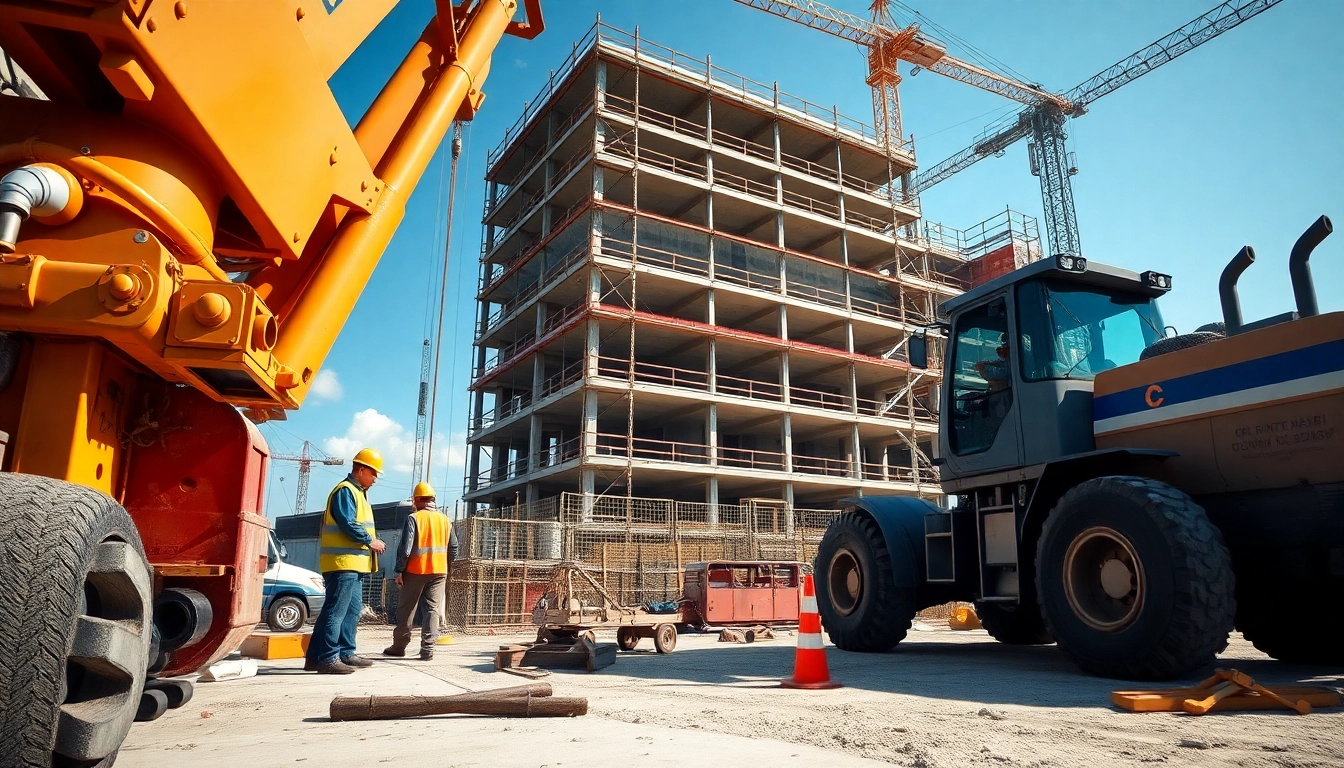
Understanding the Basics of Construction
What is Construction?
Construction is the process of building infrastructure, whether it be residential, commercial, or industrial. It encompasses a wide range of activities that culminate in the development and completion of a structure. Essentially, construction combines various fields such as architecture, engineering, and project management to transform an idea into a tangible outcome. Effective construction hinges on understanding the intricacies of these different domains, ensuring that all elements aligned are with the overarching project goals.
Types of Construction Projects
Various types of construction projects can be categorized based on their purpose and scale. These include:
- Residential Construction: This involves the building of homes and apartment complexes, focusing on the needs of individuals and families.
- Commercial Construction: Projects in this category facilitate business needs, including office buildings, retail spaces, and warehouses.
- Industrial Construction: This type focuses on manufacturing facilities, power plants, and other industrial projects requiring technical and engineering expertise.
- Infrastructure Construction: Roads, bridges, tunnels, and airports fall under this category, playing a critical role in supporting community and economic development.
Key Players in the Construction Industry
The construction industry is characterized by multiple stakeholders, each playing a vital role in the success of projects. Key players include:
- Architects: Responsible for the design and aesthetics of a project.
- Engineers: Ensure structural integrity and compliance with safety standards.
- Contractors: Oversee daily operations on-site and manage labor and materials.
- Subcontractors: Specialized tradespeople, such as electricians and plumbers, who perform specific tasks.
- Client/Owner: The individual or organization financing the project and outlining its vision.
Planning and Design in Construction
Importance of Pre-Construction Planning
Pre-construction planning is pivotal for setting the project’s foundation. This phase includes feasibility studies, budgeting, site selection, and project scheduling. By meticulously planning, stakeholders can identify potential risks early, allocate resources efficiently, and create a comprehensive timeline that enhances operational efficiency. Key aspects of pre-construction also involve community engagement and securing necessary permits.
Design Considerations for Successful Construction
Design is not merely about aesthetics; it significantly impacts functionality and cost-effectiveness. Key design considerations include:
- Site Analysis: Understanding the environmental, geographical, and community-related factors can influence design choices.
- Building Materials: The selection of materials affects durability, maintenance, and energy efficiency.
- Code Compliance: Adhering to local building codes ensures safety and legality, impacting the design process.
Budgeting: A Crucial Element of Project Design
A comprehensive budget is essential in construction to ensure that a project stays within financial constraints. Effective budgeting involves estimating costs for materials, labor, permits, and contingencies. By conducting a cost-benefit analysis, project managers can make informed decisions about which features and materials provide the best value without sacrificing quality.
Managing Construction Projects
Essential Project Management Strategies
Effective project management is vital for ensuring that construction projects deliver on time and within budget. Key strategies include:
- Clear Communication: Establishing open lines of communication among all team members reduces misunderstandings and enhances collaboration.
- Regular Progress Monitoring: Keeping track of project milestones helps assess productivity and make necessary adjustments proactively.
- Risk Management: Identifying and mitigating risks throughout the project lifecycle is crucial to avoid costly delays.
Effective Team Collaboration Techniques
Building a cohesive project team is essential in construction management. Techniques for promoting collaboration include:
- Regular Meetings: Hosting consistent meetings to discuss progress and address challenges aligns the team around project goals.
- Collaboration Tools: Utilizing project management software facilitates transparent sharing of documents and feedback.
- Team Building Activities: Engaging in team-building exercises fosters stronger relationships and improves interpersonal dynamics.
Utilizing Technology in Construction Management
Incorporating technology into construction management streamlines processes and enhances efficiency. Technologies such as Building Information Modeling (BIM), drones for site surveys, and augmented reality for visualizations are transforming how teams collaborate, design, and manage projects. By embracing innovation, construction companies can minimize waste, improve safety protocols, and increase productivity.
Safety Standards in Construction
Implementing Safety Protocols
Creating a safety-first culture in construction is non-negotiable. Implementing robust safety protocols involves training workers, conducting regular safety audits, and ensuring all personnel are equipped with appropriate Personal Protective Equipment (PPE). It’s also essential to foster an environment where employees feel empowered to voice safety concerns.
Training Requirements for Construction Work
Comprehensive training informs workers about safety standards and operational best practices. Training should encompass the use of machinery, first aid procedures, and emergency response tactics. Ongoing education helps keep the workforce up-to-date with regulations and innovative safety technologies.
Common Safety Issues and How to Avoid Them
Common safety issues in construction include falls, equipment-related accidents, and exposure to hazardous materials. Preventive measures include:
- Safety Inspections: Regular inspections can identify and rectify potential hazards before they cause incidents.
- Proper Training: Ongoing training sessions to ensure all employees understand safety protocols is essential.
- Monitoring & Feedback: Letting workers report unsafe conditions creates a proactive culture around safety.
Future Trends in Construction
Emerging Technologies Impacting Construction
The construction industry is on the cusp of technological transformation, with innovations like robotics, 3D printing, and IoT (Internet of Things) making waves. Robotics can automate repetitive tasks, while 3D printing allows for rapid prototyping of building components. These technologies reduce waste and speed up construction timelines, fundamentally changing traditional methodologies.
Sustainability Practices in Construction
As awareness of environmental impacts rises, sustainability in construction is increasingly prioritized. Practices include the integration of renewable materials, energy-efficient designs, and waste reduction strategies. Making sustainability a core value not only meets regulatory requirements but can also enhance brand reputation and client satisfaction by resonating with environmentally conscious consumers.
Adapting to Market Trends in Construction
Market trends, including population shifts and evolving consumer preferences, necessitate adaptability in the construction industry. Monitoring economic indicators and demographic changes can inform project types and locations. Staying attuned to emerging construction methodologies, like modular construction, can also provide competitive advantages in a dynamic market environment.
Frequently Asked Questions (FAQs)
What does the construction process entail?
The construction process involves planning, design, financing, and execution, culminating in the completion of a building or infrastructure project.
What are the types of construction contracts?
Common types of contracts include fixed-price, cost-plus, and time and materials contracts, each serving different project needs and risk management approaches.
How can technology improve construction efficiency?
Technology enhances efficiency through automation, real-time data collection, and improved communication, enabling teams to work smarter and faster.
What safety measures should be prioritized on construction sites?
Prioritized measures include the use of PPE, safety training, regular site inspections, and a culture that encourages reporting hazards.
How is sustainability integrated into construction projects?
Sustainability can be integrated through selecting eco-friendly materials, energy-efficient designs, and waste management practices during construction.

