
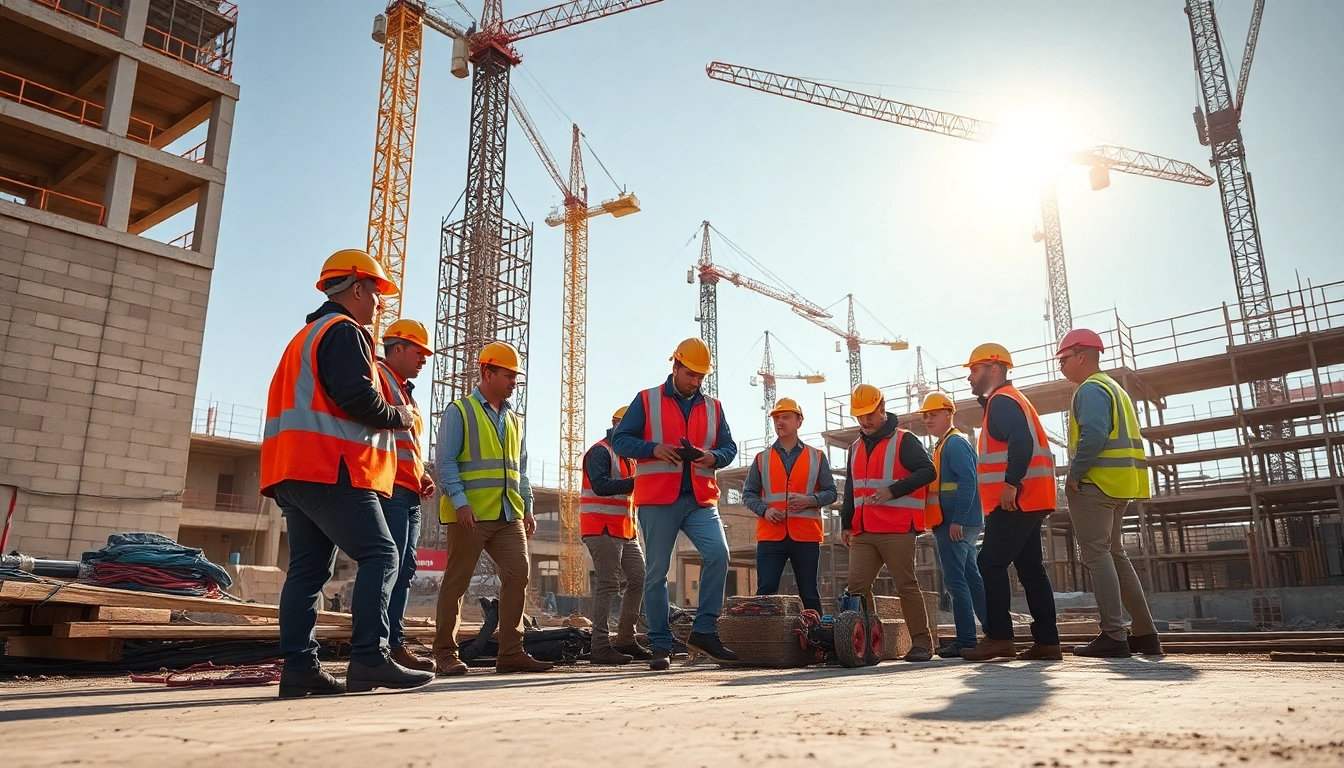
Understanding the Basics of Construction Management
In the ever-evolving landscape of building and renovation, construction management plays a critical role. This area of expertise involves more than just overseeing construction sites; it encompasses a range of processes designed to meet the objectives of budget, time, and quality. Understanding the basic components of construction management is essential for ensuring project success and achieving optimal outcomes.
Defining Key Construction Terminology
The construction industry is filled with terminology that can be daunting for newcomers. Here are a few key terms:
- Change Order: A document outlining modifications to the original construction contract.
- Blueprints: Detailed architectural drawings or plans for a construction project.
- Scope of Work: A description of all the work that must be completed for a project.
Understanding these and other terminologies help stakeholders communicate effectively, reducing the risk of misunderstandings and mistakes.
Understanding Project Lifecycles in Construction
The project lifecycle in construction involves several phases:
- Initiation: Defining the project scope and objectives.
- Planning: Developing detailed plans regarding time, cost, and resources.
- Execution: Carrying out the construction work according to the plans.
- Monitoring: Ensuring the project stays on track and follows the outlined parameters.
- Closure: Finalizing all activities, completing documentation, and handing over the project.
Each stage demands careful consideration and strategic planning to avoid pitfalls and delays.
Recognizing Stakeholder Roles and Responsibilities
In construction projects, numerous stakeholders are involved, each with distinct roles:
- Project Manager: Oversees the project from start to finish, ensuring objectives are met.
- Contractors/Subcontractors: Execute the hands-on construction work.
- Architects: Design the project and ensure compliance with zoning and building requirements.
- Clients: Provide the vision and funding for the project.
Understanding these roles clarifies responsibilities and improves collaboration, ultimately driving project success.
Best Practices for Construction Planning
Effective planning is crucial for minimizing delays and ensuring the project is completed on time and within budget. Here are some best practices.
Creating Comprehensive Project Plans
A comprehensive project plan outlines every detail and ensures that everyone involved is on the same page. Key components include:
- Project Goals: Clear objectives to drive focus.
- Deliverables: Specific outcomes required at each phase.
- Timeline: A realistic schedule with milestones.
- Resource Allocation: Efficient distribution of labor and materials.
Incorporating these elements helps in tracking progress and making adjustments as needed.
Effective Budgeting and Cost Control in Construction
Establishing a concrete budget lays the groundwork for financial success. Strategies include:
- Detailed Estimates: Analyzing costs associated with materials, labor, and equipment upfront.
- Contingency Planning: Setting aside funds for unexpected expenses.
- Regular Monitoring: Continually evaluating project expenditures against the budget.
Utilizing these strategies can mitigate financial pitfalls and streamline funding throughout the project.
Time Management Strategies for Construction Projects
Time management is another critical element of project planning. Strategies may include:
- Developing a Detailed Schedule: Using tools like Gantt charts to visualize project timelines.
- Prioritizing Tasks: Identifying and focusing on high-impact activities.
- Regular Progress Reviews: Evaluating the schedule frequently to address delays promptly.
Efficient time management prevents bottlenecks and ensures timely project completion.
Implementing Safety Protocols in Construction
Safety should be a top priority on construction sites to protect workers and comply with regulations. Understanding and implementing safety measures effectively can prevent accidents and injuries.
Identifying Common Construction Hazards
Recognizing and mitigating hazards is essential for creating a safe work environment. Common risks include:
- Falls: Often the leading cause of workplace injuries; proper fall protection measures are critical.
- Electrical Hazards: Risks from wiring, tools, and equipment that can lead to serious injuries.
- Hazardous Materials: Ensuring proper handling and disposal to limit exposure.
Identifying these hazards early allows for proactive strategies to reduce risk.
Training and Certification for Construction Workers
Training elevates safety standards and enhances skills. Workers should be properly trained in areas such as:
- Equipment Operation: Safe usage of heavy machinery.
- Safety Procedures: Familiarity with protocols and emergency procedures.
- First Aid: Basic first-response practices for small injuries.
Investing in training contributes to a safety-conscious culture on-site and often leads to lower injury rates.
Establishing an Emergency Response Plan
An effective emergency response plan prepares the team for unexpected crises. Key components include:
- Clear Protocols: Steps that outline what to do in various emergency situations.
- First Aid Stations: Accessible locations for treating injuries on-site.
- Communication Systems: Methods for quickly relaying information and instructions.
Regular drills and reviews ensure preparedness and help reduce panic during real emergencies.
Leveraging Technology in Construction
The integration of technology has transformed the construction industry, providing innovative solutions for project management and execution. Understanding available technologies can lead to greater efficiency and productivity.
Introduction to Construction Management Software
Construction management software simplifies various tasks, offering functionalities such as:
- Project Tracking: Monitor progress against schedules and budgets.
- Document Management: Organize critical documents, drawings, and contracts electronically.
- Collaboration Tools: Facilitate communication among teams and stakeholders.
By utilizing software solutions, construction managers can streamline operations and enhance decision-making.
Using Drones and 3D Printing in Construction
Drones and 3D printing have opened new avenues in construction, including:
- Site Surveys: Utilizing drones for accurate surveying and monitoring of sites.
- Rapid Prototyping: 3D printing enables the quick production of components or models.
- Cost-Effective Solutions: Reducing waste and labor costs through innovative construction methods.
Adopting these technologies can provide competitive advantages and improve overall project performance.
Data Analytics for Improved Construction Efficiency
Data analytics plays a significant role in refining construction processes. By leveraging data, companies can:
- Identify Trends: Recognize patterns in project performance to inform future projects.
- Optimize Resource Allocation: Ensure funds and materials are used most effectively.
- Improve Risk Management: Predict challenges before they arise based on historical data.
Employing data analytics fosters better planning and reduces unanticipated risks in projects.
Measuring Success and Continuous Improvement in Construction
Evaluating project success and implementing continuous improvement cycles ensures longevity and quality in construction management.
Key Performance Indicators (KPIs) for Construction Projects
KPIs are essential metrics used to evaluate success. Key indicators might include:
- On-Time Delivery: Measures if project milestones are met according to schedule.
- Budget Variance: The difference between budgeted and actual costs.
- Change Order Rate: Frequency of changes to the project scope, impacting timelines and costs.
By tracking these indicators, managers can assess project efficiency and areas for improvement.
Gathering Feedback and Lessons Learned Post-Completion
Post-project evaluations are crucial for gathering feedback from all stakeholders. Discussions should focus on:
- What Worked: Identifying successful strategies and processes.
- What Didn’t Work: Analyzing failures and issues that arose during the project.
- Opportunities for Future Projects: Highlighting lessons learned for continuous improvement.
Evaluating these aspects aids in refining future construction processes and enhancing overall project management proficiency.
Strategies for Ongoing Skill Development in Construction
The construction field is constantly evolving, making ongoing skill development essential. Effective strategies include:
- Continuing Education: Courses and certifications in emerging technologies and practices.
- On-the-Job Training: Peer mentoring to enhance skills in real-world applications.
- Professional Networking: Engaging with industry professionals to share knowledge and experience.
Fostering skill development keeps teams competitive and prepared for future challenges.
Frequently Asked Questions
What is construction management?
Construction management involves planning, coordinating, and overseeing construction projects from inception to completion.
What are the key responsibilities of a construction manager?
A construction manager oversees project execution, manages budgets, schedules, and ensures compliance with regulations.
Why is safety training important in construction?
Safety training reduces accidents, ensures worker safety, and helps meet legal requirements within the construction industry.
How can technology improve construction processes?
Technology enhances efficiency, accuracy, project tracking, and communication in construction, leading to overall project success.
What are KPIs in construction management?
KPI stands for Key Performance Indicator, which measures various aspects of project performance such as budget adherence and schedule compliance.

