Understanding the Basics of wärmepumpe bosch
In a world increasingly focused on sustainability and energy efficiency, heat pumps have emerged as a leading choice for homeowners seeking to reduce their carbon footprint while enjoying comfortable indoor temperatures. Among the various brands available, Bosch stands out with its innovative solutions. In this article, we will explore the intricacies of the wärmepumpe bosch, emphasizing its operation, advantages, and different models to assist homeowners in making informed decisions. More than just a heating solution, the wärmepumpe bosch represents a commitment to sustainability and efficiency in modern home heating.
For those interested in optimizing their home's energy efficiency, resources like wärmepumpe bosch can provide comprehensive insights into different models and pricing options.
What is a Heat Pump?
A heat pump is a versatile device that transfers heat from one location to another, effectively providing both heating and cooling solutions. It works by extracting heat from the environment—such as the air, ground, or water—and transferring it indoors during the winter while reversing the process in the summer to cool down the home. This technology is not only energy-efficient but also environmentally friendly, making it a popular choice for modern heating systems.
Benefits of Using wärmepumpe bosch
Choosing a wärmepumpe bosch offers numerous benefits that contribute to both comfort and cost savings:
- Energy Efficiency: Bosch heat pumps are designed with advanced technology that allows them to achieve impressive energy efficiency ratings, often with a SCOP (Seasonal Coefficient of Performance) of up to 5.1.
- Cost Savings: By utilizing ambient heat, these systems can significantly reduce heating costs, saving homeowners up to 50% on their energy bills compared to traditional heating methods.
- Environmental Impact: By reducing reliance on fossil fuels, Bosch heat pumps contribute to lower carbon emissions, making them an eco-friendly choice.
- Versatility: Bosch offers a range of heat pumps that cater to various home sizes and heating requirements, ensuring there’s a suitable option for everyone.
Types of Bosch Heat Pumps Available
When considering a wärmepumpe bosch, it's essential to understand the various types available:
- Luft-Wasser-Wärmepumpen: These air-water heat pumps are commonly used in residential settings, extracting heat from the outside air and transferring it for indoor heating.
- Sole-Wasser-Wärmepumpen: These ground-source heat pumps utilize geothermal energy to provide heating and cooling, making them ideal for locations with sufficient land for installation.
- Hybrid Systems: Combining traditional heating sources with heat pump technology, hybrid systems offer enhanced flexibility and efficiency.
Installation Guide for wärmepumpe bosch
The installation of a wärmepumpe bosch requires careful planning and execution to ensure optimal performance and efficiency. Whether you're retrofitting an existing system or installing a new one, following a structured approach is crucial for success.
Preparing Your Home for Installation
Before the installation process begins, homeowners should evaluate their current heating systems and understand their heating requirements. Key steps include:
- Conducting an energy audit to assess the home's insulation and energy efficiency.
- Determining the heat load requirements to ensure the selected Bosch heat pump can meet the specific needs of the household.
- Consulting with a qualified heating technician to discuss site locations and system specifications.
Step-by-Step Installation Process
- Site Preparation: Clear the installation area of obstructions and prepare a stable foundation for the heat pump.
- Electrical Work: Ensure that the electrical connections comply with local codes and are properly installed.
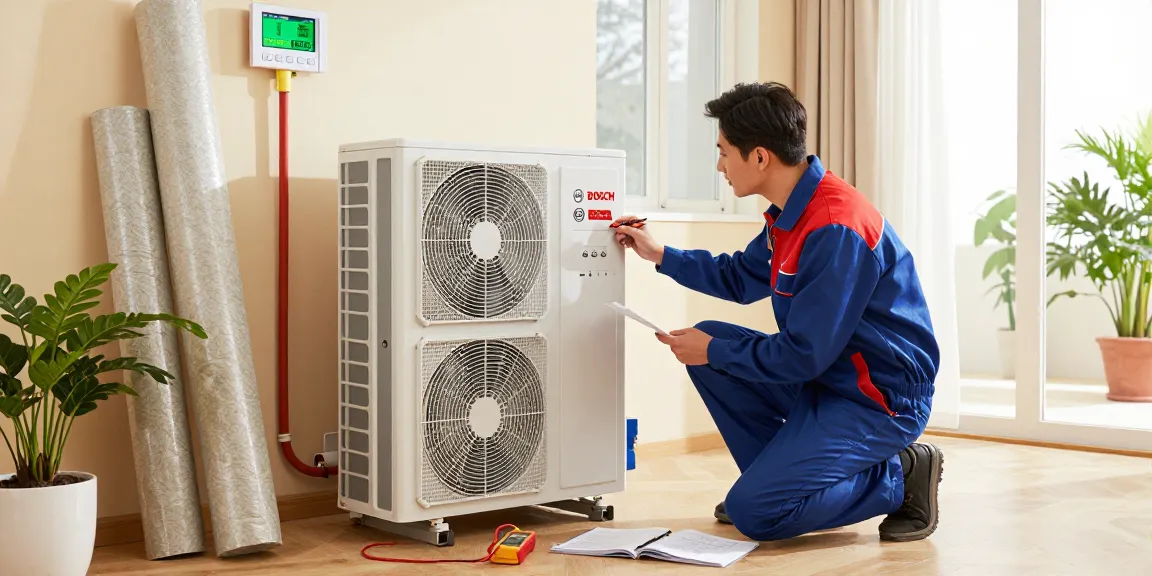
- Mounting the Unit: Position the heat pump according to the manufacturer's guidelines, including securing it to prevent vibrations and noise during operation.
- Connecting the System: Connect water pipes and electrical circuits, following stringent safety regulations.
- Testing: Once installed, conduct a comprehensive system test to verify operational efficiency.
Common Installation Challenges and Solutions
While installing a wärmepumpe bosch can be straightforward, several challenges may arise:
- Location Constraints: If space is limited, consider alternative placements or compact models.
- Electrical Limitations: Older homes may require electrical upgrades to support new systems.
- Noise Concerns: Select models designed for quiet operation to minimize disruption.
Maximizing Efficiency with wärmepumpe bosch
Once installed, maximizing the efficiency of your wärmepumpe bosch is vital for ensuring long-term savings and optimal performance. Here are some insightful practices to follow:
Best Practices for Operating Your Heat Pump
- Set the thermostat to optimal levels; minor adjustments can lead to significant energy savings.
- Avoid placing furniture or curtains near vents to ensure an even distribution of air.
- Utilize programmable thermostats to adjust heating schedules based on occupancy.
Regular Maintenance Tips for Peak Performance
Regular maintenance is crucial to keep your wärmepumpe bosch running smoothly. Key maintenance tasks include:
- Cleaning or replacing air filters every few months to maintain airflow.
- Inspecting refrigerant levels and lines for leaks and proper function.
- Scheduling annual professional maintenance to ensure optimal operation.
Using Smart Technology with Your Heat Pump
Integrating smart technology with your heat pump can enhance efficiency and control. Smart thermostats, remote monitoring, and integration with home automation systems allow for:
- Real-time energy consumption tracking.
- Remote adjustments from mobile devices or computers.
- Enhanced user customization for heating patterns.
Cost Analysis of wärmepumpe bosch
Understanding the cost implications of installing and maintaining a wärmepumpe bosch is essential for making informed decisions. Here’s an in-depth analysis of the financial aspects:
Initial Costs and Return on Investment
The initial investment for a wärmepumpe bosch varies based on several factors, including:
- Type of heat pump selected (air-source vs. ground-source).
- Installation complexity, which may require additional site preparation.
- Local labor rates and any required electrical upgrades.
On average, homeowners can expect to pay between €20,000 and €40,000 for installation in an average-sized home, but the long-term savings through energy efficiency often justify this initial outlay.
Comparative Costs: Heat Pumps vs. Traditional Heating
When comparing costs, it’s essential to consider both installation and operational expenses:
- Traditional heating systems often require higher ongoing energy expenses, particularly in colder climates.
- In contrast, wärmepumpe bosch systems utilize renewable energy sources, resulting in lower operational costs over time.
- Factor in the potential for government rebates or incentives for opting for energy-efficient heating solutions, which can further improve the financial return.
Financial Incentives and Rebates Available
Homeowners should explore local and national incentives aimed at promoting energy-efficient technologies. Many regions offer financial assistance programs, tax credits, or rebates that can significantly reduce the upfront costs associated with the wärmepumpe bosch. This can make the transition to greener heating options more accessible and financially viable.
Future Trends in Home Heating Solutions
The landscape of home heating solutions is continuously evolving, with several trends emerging that may reshape how we think about energy and efficiency:
Emerging Technologies in Heat Pumps
As technology advances, expect to see innovations in heat pump efficiency and functionality. Key trends include:
- Improved refrigerants that enhance performance without harming the environment.
- Increased integration of AI and machine learning to optimize heating schedules and improve energy efficiency.
- Enhanced compatibility with renewable energy systems like solar panels.
Predictions for the Home Heating Industry by 2026
By 2026, it is expected that heat pumps will dominate the market, supported by:
- A growing emphasis on sustainability and net-zero emissions targets.
- Increased availability of energy-efficient homes equipped with advanced heating solutions.
- Government policies that encourage the adoption of renewable heating technologies.
Sustainability and Environmental Impact of Heat Pumps
Not only do wärmepumpe bosch systems offer efficiency and cost savings, but they also play a critical role in promoting sustainability. By utilizing renewable energy sources and reducing reliance on fossil fuels, these systems contribute to a greener future, aligning with global efforts to combat climate change and reduce greenhouse gas emissions.
What are the benefits of wärmepumpe bosch?
Benefits include high energy efficiency, significant cost savings on utility bills, and a reduced environmental impact, making them an attractive option for modern heating solutions.
How much does it cost to install a wärmepumpe bosch?
The installation cost can vary significantly based on factors such as the type of heat pump, size of the home, and local labor rates, typically ranging from €20,000 to €40,000.
Can wärmepumpe bosch work in colder climates?
Yes, Bosch heat pumps are engineered to perform efficiently in a variety of climates, including colder regions, with models specifically designed for low-temperature environments.
How do you maintain a wärmepumpe bosch properly?
Proper maintenance involves regular cleaning or replacement of filters, checking refrigerant levels, and scheduling annual inspections by a qualified technician.
Why is wärmepumpe bosch considered an energy-efficient option?
Wärmepumpe bosch systems are known for their high SCOP ratings, meaning they convert more energy into heat than they consume, resulting in lower energy costs and reduced environmental impact.