In the ever-evolving world of luxury fashion, visual merchandising plays a pivotal role in shaping consumer perceptions and driving sales. This is particularly true for platforms dedicated to curating exceptional experiences, such as Alvionz. Today’s luxury retailers must navigate the complexities of consumer behavior, innovative marketing techniques, inventory management, and performance evaluation to maintain competitive advantage. Understanding these various aspects is essential for luxury brands looking to thrive in an increasingly digital landscape.
The Role of Visual Merchandising in Luxury Fashion
Visual merchandising serves as the silent salesperson in luxury fashion. It influences the emotional connection customers have with products, creating a store environment that communicates brand values while inviting engagement.
Creating Impactful Displays
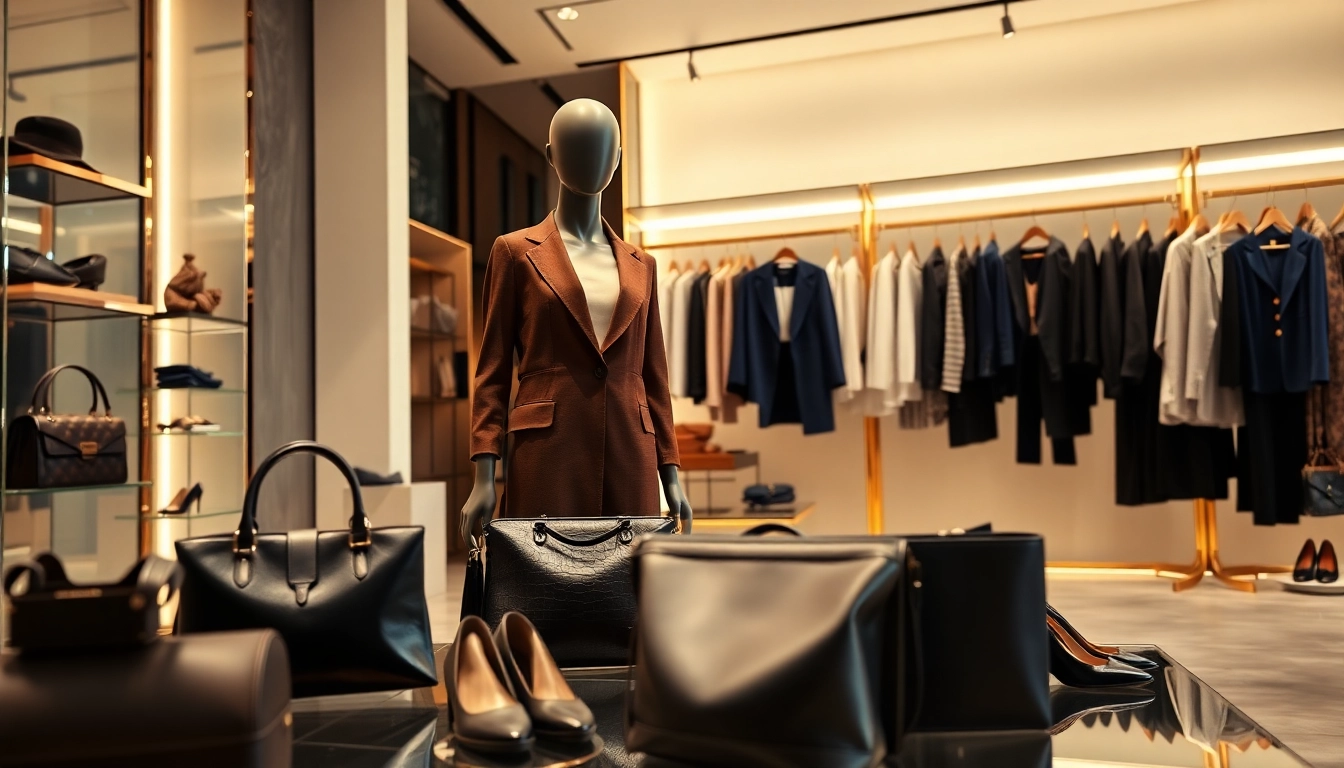
Creating impactful displays is crucial for luxury retailers. Each display should tell a story that resonates with the brand ethos and captivates the consumer’s attention. Innovative use of materials, textures, and shapes can create a multisensory experience that draws customers in. For instance, a simple garment can shine when spotlighted against a backdrop of complementary colors and textures.
Luxury brands often collate thematic displays that align with seasonal trends or exclusive collections, crafting a narrative that extends beyond mere product presentation. This approach not only enhances customer engagement but also solidifies brand positioning in the customers' minds. Strategic placement within the store can direct traffic flow, lead customers through a curated journey, and ultimately encourage purchases.
Balancing Aesthetics and Functionality
Luxury retail environments must balance aesthetic appeal with functionality. While an exquisite arrangement may attract attention, it should also facilitate easy navigation and product accessibility. This balance is essential to ensure that customers can engage with products without feeling overwhelmed.
For example, high-end boutiques may utilize sleek fixtures that maintain an uncluttered appearance while organizing products logically. By leveraging both form and function, retailers can enhance the shopping experience, encouraging higher dwell times and more meaningful interactions with the brand.
Utilizing Lighting to Enhance Products
Lighting is an often-overlooked element of visual merchandising that significantly impacts how consumers perceive products. Thoughtful lighting design can highlight textures, colors, and shapes, creating a captivating ambiance. Focused lighting can draw attention to specific items, while ambient lighting creates a warm atmosphere that invites exploration.
Luxury retailers can use a combination of natural and artificial lighting to create depth and mood, inviting customers to linger. For instance, using daylight simulation techniques can enhance the authenticity of color and material, making products more appealing. The right lighting not only enhances the visual appeal but also elevates the overall shopping experience, transforming it into a memorable event.
Understanding Luxury Consumer Behavior
To cater to luxury consumers effectively, brands must delve into understanding their unique behaviors, motivations, and expectations.
Identifying Target Demographics
Luxury consumers comprise diverse demographics, each with unique characteristics and preferences. Identifying the target demographic involves analyzing factors such as age, income, lifestyle, and values. For instance, millennials may prioritize sustainability and brand ethics over mere product price, while older generations might focus on quality and craftsmanship.
Brands must conduct market research to segment their audience effectively, ensuring their marketing strategies resonate with the right consumers. This segmentation allows for personalized communication and tailored offerings that meet the specific desires of diverse luxury shoppers.
Psychology of Luxury Purchases
The psychology behind luxury purchases is complex, driven by both emotional and rational factors. For many consumers, purchasing luxury items is not only about acquiring products but also about signaling status and identity. Emotions such as aspiration, desire, and exclusivity play a significant role in influencing purchasing decisions.
Understanding these psychological triggers enables luxury brands to craft marketing messages that resonate deeply. Utilizing storytelling that emphasizes heritage, craftsmanship, and the exclusivity of products can enhance consumer desire, making them more inclined to invest in high-priced items.
Building Brand Loyalty Among High-End Shoppers
Building brand loyalty in the luxury market revolves around creating exceptional customer experiences that foster emotional connections. Effective strategies include personalized customer service, tailored recommendations, and exclusive offers designed to make consumers feel valued and special.
Luxury brands can also implement loyalty programs that reward repeat purchases with exclusive access to limited editions or VIP events. This not only incentivizes loyalty but also strengthens the overall relationship between the brand and the consumer, ultimately leading to long-term patronage.
Innovative Marketing Techniques for Luxury Brands
The marketing landscape for luxury brands has transformed with the advent of digital technologies. Adopting innovative marketing techniques is essential for reaching today’s discerning consumers.
Utilizing Social Media for Brand Storytelling
Social media platforms have become vital for luxury brands to engage with consumers and share compelling narratives. Platforms like Instagram and Pinterest allow brands to showcase visually stunning content, telling stories that resonate with target audiences.
Luxury brands can collaborate with professionals in photography and videography to produce high-quality content that reflects their unique aesthetic. Engaging storytelling can help convey the brand ethos and create emotional connections, encouraging followers to share their experiences and form a community around the brand.
Engaging Influencers to Reach Wider Audiences
Influencer marketing has emerged as a powerful tool for luxury brands seeking to expand their reach. Collaborating with influencers who align with the brand’s values can introduce products to new audiences, building credibility and trust.
Brands should choose influencers with engaged followings and authentic connections to their audiences. By leveraging influencers' storytelling skills, luxury brands can create organic campaigns that feel more genuine than traditional advertisements, enhancing consumer engagement and driving sales.
Leveraging Events and Collaborations
Hosting events and engaging in collaborations with other brands can elevate a luxury brand’s profile and create buzz. Exclusive events, such as trunk shows or launch parties, provide immersive experiences that showcase products while allowing customers to interact with the brand on a personal level.
Collaborations can take various forms, from co-branded products to artistic partnerships, enabling brands to tap into new markets and demographics. Such initiatives not only expand brand exposure but also create a sense of exclusivity, appealing to luxury consumers' desire for unique and rare items.
Managing Inventory for Optimum Performance
Effective inventory management is integral to the success of luxury retailers, ensuring that the right products are available at the right time without overstocking.
Strategies for Sourcing Luxury Items
Luxury retailers must carefully strategize their sourcing practices to uphold quality while meeting consumer demand. Building relationships with trusted suppliers is critical, as is ensuring that products are ethically sourced.
Leveraging data analytics can help brands forecast demand more accurately, allowing for better decision-making when it comes to sourcing high-end products. By monitoring market trends and customer preferences, luxury brands can make informed decisions that align product offerings with current market needs.
Implementing Effective Inventory Management Systems
Implementing robust inventory management systems can streamline operations, improve efficiency, and reduce costs. Utilizing technology such as inventory management software allows brands to track stock levels, sales trends, and product performance easily.
By using real-time analytics, brands can make timely adjustments to inventory levels based on demand fluctuations. This flexibility is critical in the luxury realm, where exclusivity and limited availability often drive desirability.
Balancing Exclusive vs. Accessible Product Lines
Striking a balance between offering exclusive products and accessible lines is vital for maintaining brand prestige while expanding market reach. Exclusive lines create allure and desirability, while accessible products can attract a broader audience and cultivate new customers.
Luxury brands must consider their overall brand strategy when determining the right mix. Limited-edition items can generate excitement, whereas accessible collections serve to familiarize new consumers with the brand, inviting them into the luxury experience without overwhelming them.
Evaluating Success: Metrics for Luxury Fashion Retailers
To achieve sustainable growth, luxury retailers must establish metrics to evaluate their performance accurately.
Sales Performance Analysis
Sales performance analysis involves examining revenue growth, profit margins, and unit sales across different products and channels. Understanding this data helps brands make strategic decisions regarding pricing, promotions, and product offerings.
Additionally, analyzing sales patterns can uncover insights into seasonal trends, customer preferences, and effective sales strategies, which can inform future inventory and marketing decisions.
Customer Satisfaction and Feedback
Customer satisfaction is a crucial metric for luxury brands, as it directly impacts brand loyalty and repeat purchases. Brands should actively seek customer feedback through surveys, reviews, and direct engagement to understand areas for improvement.
Implementing changes based on consumer insights can significantly enhance the customer experience, leading to better retention rates while cultivating a positive brand reputation.
Key Performance Indicators for Growth
Key performance indicators (KPIs) play an essential role in tracking growth and success in the luxury sector. KPIs may include conversion rates, average transaction values, customer retention rates, and social media engagement metrics.
By establishing a clear set of KPIs, luxury brands can monitor progress over time, adapt strategies based on performance data, and ensure that they are on the path toward sustainable growth.
FAQs about Luxury Fashion Retailing
What is the importance of visual merchandising in luxury fashion?
Visual merchandising is crucial as it shapes consumer perceptions, enhances brand storytelling, and influences purchasing decisions through impactful displays.
How do luxury brands identify their target audience?
Luxury brands identify their target audience through market research, analyzing demographics, lifestyles, and consumer behaviors that influence purchasing decisions.
What role does social media play in marketing luxury fashion?
Social media serves as a platform for luxury brands to share visual content, engage storytelling, and connect directly with consumers, enhancing brand visibility and engagement.
How can brands foster loyalty among luxury consumers?
Brands can foster loyalty by providing exceptional customer service, personalized experiences, and exclusive offers that make customers feel valued and appreciated.
What are key metrics for evaluating luxury retail success?
Key metrics include sales performance, customer satisfaction, and key performance indicators (KPIs) that track engagement, retention, and revenue growth strategies.