Understanding IPTV Subscriptions: A 2026 Overview
As we venture into the realm of 2026, the IPTV industry is witnessing remarkable transformations and developments, propelled by technological advancements and evolving consumer preferences. In this environment, IPTV subscriptions have become increasingly pivotal for businesses looking to diversify their offerings in digital broadcasting. When exploring options, Iptv subscription services provide comprehensive insights into market expectations and operational logistics, crucial for resellers and viewers alike.
What is IPTV Subscription?
IPTV, or Internet Protocol Television, delivers television content through internet protocols, offering tremendous flexibility compared to traditional broadcast mechanisms. Instead of relying on satellite or cable connections, IPTV leverages broadband connectivity to stream shows, films, and other video media. This shift to digital formats has enabled IPTV subscriptions to flourish, allowing consumers access to a multitude of viewing options, including live broadcasts and on-demand content.
Key Benefits of IPTV Services in 2026
- Diverse Channel Selection: IPTV subscriptions typically provide access to numerous channels, ranging from local broadcasts to international programming, accommodating diverse viewer preferences.
- On-Demand Content: Streaming services integrated into IPTV platforms permit users to watch movies and shows at their convenience, enhancing the overall user experience.
- Cost-Effective Packages: IPTV subscriptions often prove more affordable than traditional cable packages, making them appealing to price-sensitive consumers.
- Advanced Features: Many IPTV services offer features such as cloud DVR capabilities, allowing viewers to store and replay their favourite content, as well as multi-screen support for viewing on different devices.
Target Audience and Market Trends
The target audience for IPTV subscriptions has expanded significantly over the past few years, primarily due to the shift in consumer behaviour towards online streaming platforms. Younger demographics, particularly millennials and Gen Z, prefer on-demand content delivery over traditional television. Consequently, IPTV providers have adapted their business models to capture these evolving market trends. Analysts predict continued growth in the IPTV sector, primarily driven by increasing smartphone and smart TV penetration, alongside improvements in broadband infrastructure.
Scalable IPTV Reseller Platforms: Features to Look For
For those considering entering the IPTV market as resellers, selecting a reliable and feature-rich IPTV reseller platform is paramount. Key features can significantly influence the scalability and success of an IPTV reselling business.
Critical Infrastructure for IPTV Resellers
An efficient IPTV reseller platform encompasses robust infrastructure designed to manage bandwidth effectively and ensure high-quality streaming. The backbone of this infrastructure often includes high-capacity servers situated globally, enabling minimal latency and high uptime. Additionally, cloud services play a vital role in offering scalable solutions that can adapt to fluctuations in demand.
Advanced Management Tools and User Experience
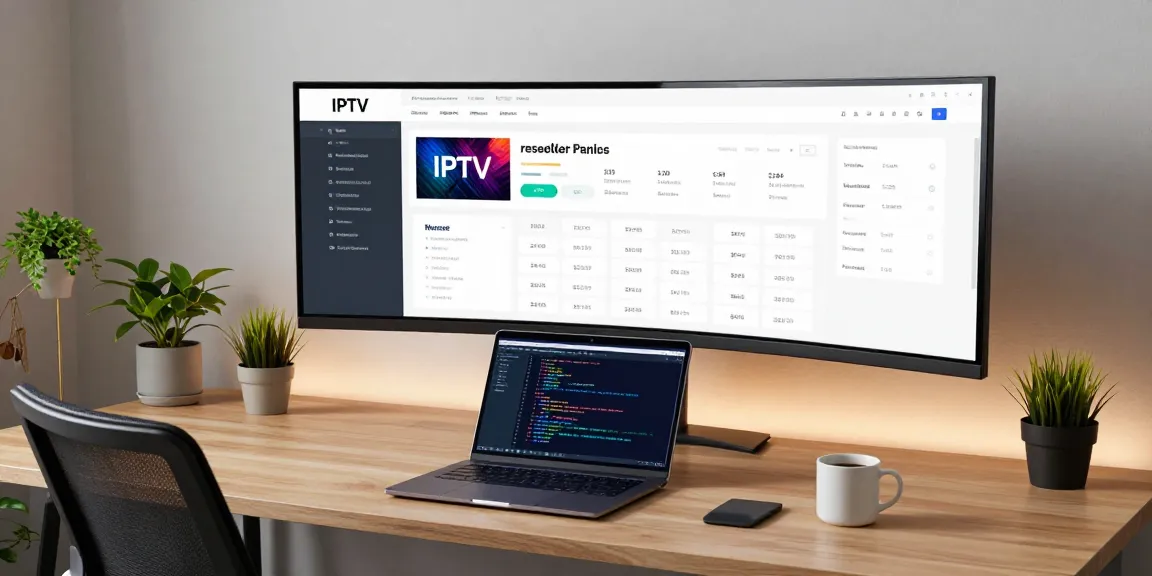
A comprehensive reseller panel should include user-friendly management tools with features that simplify operations. Resellers must be able to create client accounts seamlessly, customise service offerings, and access real-time analytics to monitor performance. An intuitive dashboard ensures that even those with limited technical expertise can navigate the platform effectively.
Essential Pricing Models for Competitive Edge
Pricing models vary significantly across different IPTV reseller platforms. It is essential to evaluate various subscription options, including credit-based packages. This allows resellers to manage their finances efficiently while providing flexibility to customers. Transparent pricing structures, combined with competitive support and reliability, can significantly enhance a reseller's competitive edge in the marketplace.
Cloud Infrastructure's Role in IPTV Service Quality
The integration of cloud technologies within the IPTV landscape has revolutionised service delivery, enabling significant improvements in both quality and accessibility. By leveraging cloud infrastructure, IPTV providers can ensure stability and scalability, critical for handling large volumes of traffic during peak usage times.
Utilizing AWS and Azure for Seamless Streaming
Leading cloud service providers such as AWS and Microsoft Azure offer robust infrastructures that IPTV resellers can harness. These platforms provide features like content delivery networks (CDN), which are invaluable for streaming services, ensuring minimal latency and buffering for end-users. By choosing a provider that integrates smoothly with these cloud platforms, resellers can enhance the performance of their IPTV offerings.
Implementing Load Balancing and Failover Strategies
To maintain uninterrupted services and optimal performance, implementing load balancing is crucial. This technique distributes incoming traffic across multiple servers, thereby avoiding overload on any single server and ensuring consistent user experiences. Furthermore, failover strategies can safeguard against outages, automatically redirecting traffic to backup servers as needed.
Enhancing Global Reach with Cloud Solutions
A significant advantage of employing cloud solutions in the IPTV realm is the ability to reach a global audience efficiently. With servers strategically placed worldwide, resellers can optimise content delivery for diverse geographical locations, ensuring that users experience high-quality streaming regardless of their location.
Cybersecurity Considerations in IPTV Delivery
As IPTV services become increasingly prevalent, ensuring cybersecurity remains a pressing concern. The rise of digital content consumption has also led to an increase in piracy and data breaches, making it vital for IPTV resellers to implement robust security measures.
Protecting User Data and Subscription Integrity
Safeguarding user data should be a primary focus for IPTV providers. Strong encryption protocols, coupled with secure payment gateways, help protect sensitive user information. Additionally, resellers must ensure that their platforms are compliant with regulations regarding data protection and privacy.
Implementing Secure Authentication Processes
Utilising secure authentication methods, such as two-factor authentication (2FA) and token-based access, can significantly fortify user accounts. These measures help prevent unauthorised access, thus reducing the risk of credential sharing and piracy within IPTV systems.
Combating Piracy: Legal and Ethical Practices
As piracy remains a significant challenge, IPTV resellers must adopt legal and ethical practices. By providing legitimate content and adhering to copyright laws, resellers can foster positive relationships with content creators while building a reputable brand image among consumers.
Real-World Insights: Success Stories from IPTV Resellers
Learning from the experiences of successful IPTV resellers provides valuable insights for newcomers in the field. These real-world stories can illuminate best practices and highlight common pitfalls to avoid when launching an IPTV reselling business.
Building Sustainable IPTV Businesses
Successful IPTV resellers often focus on long-term growth strategies. This includes offering a diverse range of packages, engaging marketing strategies, and prioritising customer satisfaction. By creating robust business plans, resellers can navigate challenges while capitalising on emerging opportunities in the market.
Community Support among Resellers
The significance of community support cannot be overstated. Many successful resellers share knowledge and experiences, fostering a collaborative environment that encourages growth. Joining reseller forums and engaging in discussions can help new resellers gain insights and tips that are otherwise hard to come by.
Lessons Learned: Mistakes and Fixes in IPTV Reselling
Every successful reseller has encountered challenges along their journey. Sharing these lessons is invaluable for new entrants. Common issues include misconfigured settings, poor server selection, and inadequate customer support. Acknowledging these mistakes enables resellers to refine their operations and improve overall service delivery.
FAQs
Here we answer some frequently asked questions regarding IPTV subscriptions.
What is the average cost of an IPTV subscription?
The cost of an IPTV subscription can vary widely based on service features and package offerings. Generally, prices can range from £10 to £30 per month, with premium packages at higher tiers featuring additional channels and on-demand services.
How do I choose the right IPTV reseller panel?
Choosing the right IPTV reseller panel involves evaluating features such as ease of use, support availability, pricing model, and reliability of streaming services. It's advisable to opt for a platform with a solid reputation and extensive customer reviews to ensure stability.
What features should I look for in an IPTV subscription service?
Key features to consider include channel variety, availability of on-demand content, user-friendly interface, multi-device compatibility, customer support, and user reviews regarding service quality and streaming performance.