

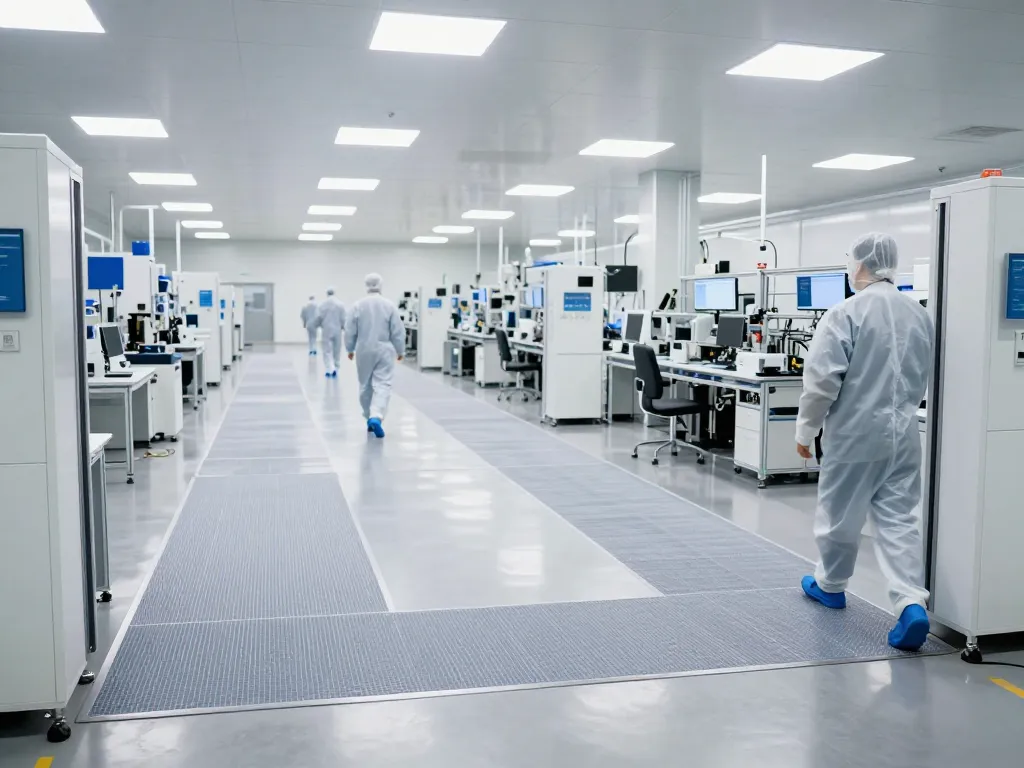
The Importance of Dust Control in Electronics Manufacturing
In today’s fast-paced electronics manufacturing environment, maintaining a clean and particle-free workspace is crucial. As dust and contaminants can lead to serious quality issues in electronic components, implementing effective dust control measures is not just a recommendation—it’s a necessity. The presence of tiny particles can interfere with intricate manufacturing processes, leading to defects, decreased efficiency, and increased production costs. Consequently, ensuring a pristine environment has become paramount for manufacturers striving for excellence.
When exploring options, Staubbindematte für Elektronikfertigung provides comprehensive insights into effective solutions that can significantly enhance the cleanliness of production areas.
Understanding Contamination Risks
Contamination can arise from various sources, including personnel, equipment, and the air itself. In electronics manufacturing, even minuscule particles can disrupt the function of sensitive components. For instance, a single speck of dust can cause malfunction in a chip or disrupt the connection of circuit boards. Therefore, it’s essential to recognize these risks and implement rigorous dust control strategies to mitigate them effectively.
Key Industry Standards for Clean Environments
Adherence to industry standards, such as ISO 14644, is crucial in maintaining clean room environments in electronics manufacturing. These standards specify cleanliness levels and outline the necessary controls to ensure that contaminants are kept to a minimum. Specific protocols must be followed for training personnel, maintaining equipment, and handling materials. Compliance with these standards not only improves product quality but also fosters customer trust and satisfaction.
How Dust Affects Product Quality
Dust can compromise product quality in several ways. For example, when particles settle on circuit boards, they can create electrical shorts or impede the effective operation of components. In addition to functional impacts, excessive dust can also affect the aesthetic quality of products, leading to customer dissatisfaction and potential returns. Thus, maintaining a clean environment is critical to protect both product integrity and the producer’s reputation.
Introducing Permanent Dust Control Mats
One of the most effective ways to manage dust in sensitive environments is through the use of permanent dust control mats. These mats are specifically designed to trap and bind dust particles while maintaining a durable surface for foot traffic. Unlike disposable mats, which require frequent replacement, permanent mats offer a more sustainable and cost-effective solution that supports long-term cleanliness goals.
What are Permanent Dust Control Mats?
Permanent dust control mats are made from high-quality materials that provide both adhesion and durability. They are engineered to capture contaminants while being easy to clean and maintain. The use of advanced materials, like silicone, ensures that these mats can significantly reduce the transfer of dust and particles as personnel transition from non-clean to clean environments.
Benefits of Using Permanent Mats Over Disposable Options
- Cost-Effectiveness: Permanent mats reduce the need for continuous replacements, lowering ongoing operational costs.
- Environmental Responsibility: By minimizing waste compared to disposable mats, permanent options are a more sustainable choice.
- Enhanced Performance: They provide consistent performance over time, maintaining their dust-trapping capabilities without losing efficacy.
- Ease of Cleaning: Permanent mats are designed to be easily cleaned, ensuring they remain hygienic and functional throughout their lifespan.
Product Features to Look For
When selecting permanent dust control mats, consider features such as tackiness level, size, thickness, and ease of installation. Mats with a high tackiness rating are essential for optimal particle binding, while the size should correspond to the areas most susceptible to contamination. Additionally, durability is key; mats should last several years to justify the initial investment.
Best Practices for Implementing Dust Control Mats
Implementing dust control mats requires careful planning to ensure maximum effectiveness. First, assess the areas most at risk for contamination, such as entrances, hallways, and production floors, to determine the best placement for mats. Second, establish a routine maintenance schedule to clean the mats based on foot traffic and environmental conditions.
Installation Tips for Maximum Effectiveness
- Positioning: Place mats at all entry and exit points to capture dust before personnel enter clean areas.
- Alignment: Ensure mats are aligned properly and secured to prevent trip hazards.
- Spacing: Use multiple mats if necessary to improve coverage in high-traffic zones.
Maintenance Procedures to Ensure Longevity
Regular cleaning is vital to maintain the effectiveness of permanent mats. It’s advisable to use non-damaging cleaning solutions and adhere to manufacturer recommendations. Periodically inspect mats for wear and tear, addressing any issues immediately to prevent contamination lapses.
Training Staff on Proper Usage
Educating employees on the importance and proper use of dust control mats is essential. Training should cover the significance of cleanliness in production, correct placement of mats, and maintenance practices. Encouraging adherence to protocols can greatly enhance the overall effectiveness of dust control measures.
Comparative Analysis of Dust Control Solutions
While permanent mats are highly effective, it’s essential to compare them against other dust control methods to determine the best overall approach. From air filters to sticky floor coverings, understanding each solution’s strengths and weaknesses can help manufacturers tailor their dust management systems effectively.
Permanent Mats vs. Other Dust Control Methods
Permanent mats provide a unique balance between cost, efficiency, and environmental responsibility. In comparison, disposable alternatives may pose a higher cost in the long term due to frequent replacements. Additionally, air filtration systems, while essential, cannot capture particles stemming from foot traffic as efficiently as mats, which suggests a layered approach may be beneficial.
Case Studies from Leading Electronics Manufacturers
Leading electronics manufacturers have demonstrated substantial improvements in product quality metrics after implementing permanent dust control mats. One company reported a marked decrease in defects in their circuit boards, correlating with the reduction of particulate contamination via their newly installed mats. Such case studies emphasize the importance of a clean manufacturing environment.
Cost-Benefit Analysis of Solutions
A cost-benefit analysis can provide insights into the most suitable dust control strategy. Although the initial investment in permanent mats might be higher than disposable options, the long-term savings in replacements, reduced defect rates, and improved manufacturing efficiency can offset these costs significantly.
Future Trends in Dust Control for Electronics Manufacturing
The industry continues to evolve with advancements in dust control technologies. Innovations such as automated cleaning systems and smart mats that provide real-time updates about particle accumulation are emerging. These technologies promise to enhance the precision of dust management strategies.
Innovations in Dust Control Technologies
Recent developments include smart mats equipped with sensors that monitor cleanliness levels, sending alerts when cleaning is required. Likewise, robotics in cleaning operations can provide thorough maintenance while reducing manual labor. These innovations exemplify how technology is transforming dust management in electronics manufacturing.
Environmental Considerations in Dust Management
As sustainability becomes a key focus, manufacturers are seeking eco-friendly options. Permanent dust control mats contribute to waste reduction and provide a viable alternative to single-use products. Innovations in materials mean that mats can be produced with minimal environmental impact, aligning with corporate sustainability goals.
The Role of Automation in Maintaining Clean Environments
Automated systems are becoming integral to maintaining cleanliness in manufacturing environments. From robotic vacuum systems that clean floors to automated air filtration systems, technology is streamlining processes and improving overall productivity by maintaining dust-free environments continuously.